BrandLogo
Table of Contents

Cross-Border INR and USD Transfers

What is the Difference between Tokenisation and Crypto?

Tokenisation in India

Tokenisation update: 21 Aug - 21 Sept 2026

FAQs

beginner

Tokenisation Week: ₹1,025 Crore Tokenised Bonds and Maharashtra's DELTA Act

By India Crypto Research|3 mins read
Last Updated on: Sep 22, 2026|Published On: Sep 21, 2026
Key Takeaways
  • The tokenisation of assets or rights makes it simpler to transact and clear those assets through the use of blockchain technology.
  • In this context, a token is evidence of an ownership claim to an asset that is issued by and/or is under the control of a third party, while crypto is a digital asset issued by no organisation.
  • The first-ever tokenised corporate bonds of India, launched on 10th September 2026, raised a total of 1025 crore Indian Rupees.
  • Tokenisation can be used to simplify the issuance and trading of various financial instruments.
India Crypto Research

Cross-Border INR and USD Transfers

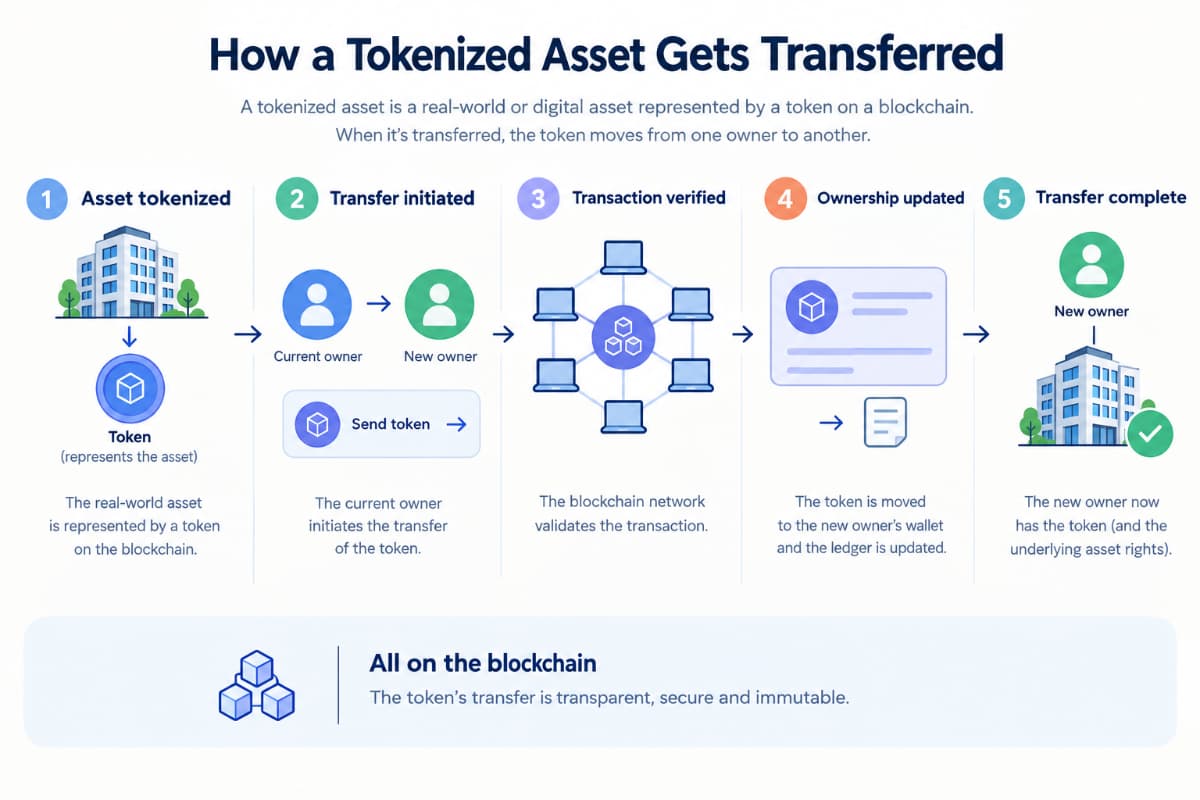
A multinational company has subsidiaries in multiple countries transacting in INR and USD. International transfers take a few days to complete and usually involve multiple intermediaries. Tokenisation of INR and USD custodial accounts on a blockchain enables the digital representation of INR and USD, and transfers can be instantaneous. The physical cash remains in the custodial account. When a cash withdrawal is necessary, the tokens are removed, and a conventional transfer of cash is effected. Such tokenisation facilitates the cross-border transfer and settlement of financial instruments.
Blog_Image

What is the Difference between Tokenisation and Crypto?

Tokens are digitised representations of an underlying financial asset. A token can represent a debt instrument, equity, cash, or other physical assets. A token does not represent an ownership interest in the asset represented by the token, but rather represents a claim on the asset. Cryptocurrencies, on the other hand, do not represent any underlying asset and are not required to represent any ownership interest in an asset. The value of cryptocurrencies is determined by market forces.

Tokenisation in India

The presence of the right kind of digital public infrastructure gives an idea about the potential of tokenisation in India. As per PwC India, tokenisation has the potential to revolutionize the way financial instruments and other physical assets are issued, transferred, and settled. A range of technologies, from Aadhaar to the Digital Rupee, provide the base for tokenisation. PwC India has taken note of the positive impact of tokenisation on the cost and efficiency of the financial system, settlements, and ownership. The positive impact of tokenisation on the financial system and other sectors has encouraged a range of initiatives within the country, including in the field of carbon markets.

Some of the key requirements for the widespread adoption of tokenisation in India, including the interoperability of different systems and legally defining ownership, have yet to be addressed. The leadership shown by various market participants in standardisation and the development of required infrastructure for tokenisation gives hope for an ecosystem for tokenisation in India in the not too distant future.

Tokenisation update: 21 Aug - 21 Sept 2026

India 

  • Bond tokens will be issued by a depository, and the tokens will be cleared along with the payment in RBI's WDR (electronic Rupee). The buyer of the bond will hold the bond in their demat account.
  • Secondary markets will be introduced in later phases along with retail participation.
  • From the figures released by the RBI, the private placement of corporate bonds worth around 78,000+ crore rupees in a month far exceeds the numbers in this pilot.
  • The RBI governor has announced the bond pilot and has outlined the principle of comparable regulation for similar assets and risks.
  • Assets like tokens representing gold and bank deposits have also been considered.
  • The state of Maharashtra has proposed a law to tokenise property, the DELTA Act. It is still being evaluated, and no tokens have been created.
  • Tokenised bonds will have interest income which will be taxed at slab rates, and capital gains tax will be charged according to the holding period. For other tokens, like property, no tax rules have been created.
    Blog_Image

Global

  • The qualified financial intermediaries and trust companies that the SEC authorised can create tokenised securities and give clients full ownership rights. These qualifying intermediaries and trusts will not need to register as an exchange for a period of five years. The SEC is encouraging the use of public blockchain to issue and clear tokenised securities.
  • NASDAQ announced that it will partner with Kraken to provide clearing services for tokenised securities by 2027.
  • The CLARITY Act, which was proposed by the US Senate, was not passed. On the 15th of September 2026, the act received 49 yes and 50 no.
  • Bank of America, Citi, and JPMorgan will use tokenisation to create a shared payment network by mid 2027.
  • Monument Bank will use tokenisation to keep retail deposits interest-bearing and liquid.
  • In Hong Kong, tokenisation of Exchange Fund Bills is expected to be piloted by year-end to enable 24/7 settlement with CBDC.
    Blog_Image

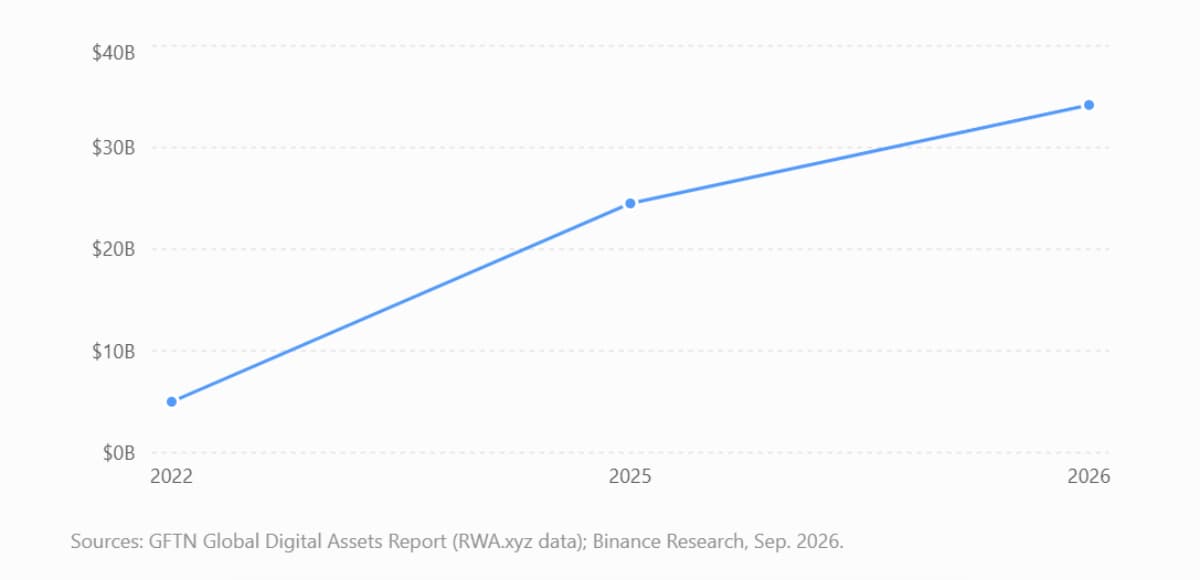
The tokenisation of financial market infrastructures (FMIs) is under development. The tokenisation of real-world assets has gained pace, and in 2026, the value of tokenised real-world assets was in excess of $19 billion. The U.S. and other developed markets, as well as some emerging markets, have either developed or are rapidly developing their infrastructures to facilitate the tokenisation of FMIs. While India is behind other markets, the key difference is more about the speed of development of India's legal and regulatory framework rather than the absence of interest in tokenisation.

Sources: PwC India, Realty Connect, SEBI, Binance Research, CoinDesk

Frequently Asked Questions

What do you understand by tokenisation?

Tokenisation makes it easier to transact, record ownership and clear titles for assets or rights represented by digital tokens on a blockchain. These can be financial assets, like bonds or cash, or other economic rights, like airline miles or hotel points.

How is tokenisation distinct from cryptos?

A token represents a bond or bank account or other asset or liability, while cryptocurrencies, like Bitcoin or Ether, are not representative. Their value is purely a function of market demand.

What happened to India's Demat 2.0 program?

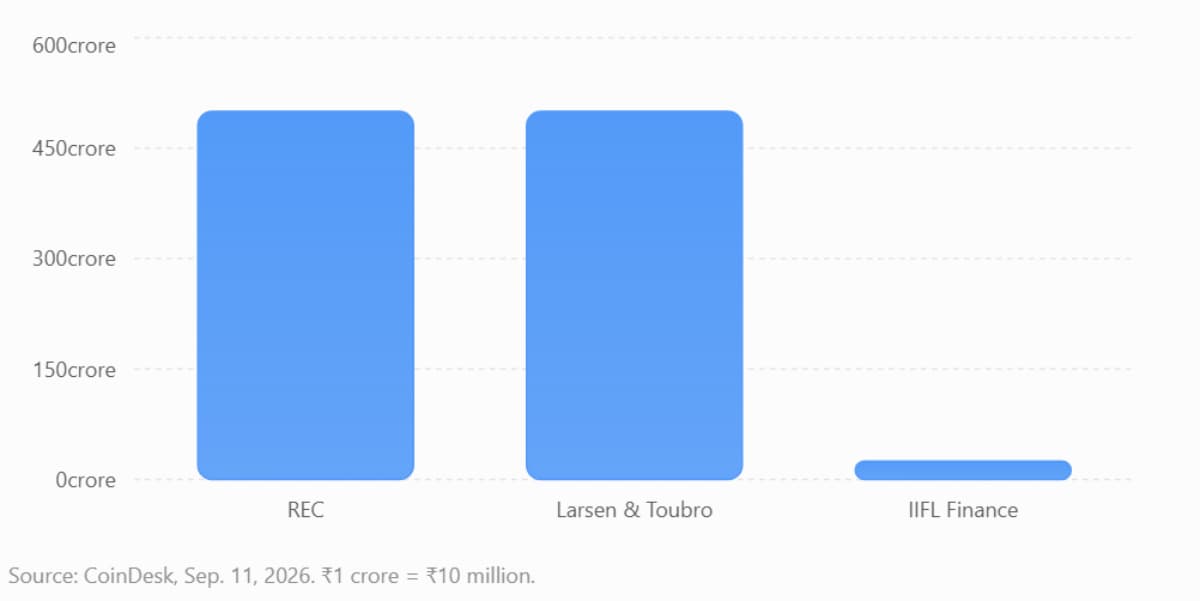
The program is designed to facilitate electronic trading and clearance of financial instruments. The first tokenised corporate bond program launched on 10 September allowed REC, L&T and IIFL to raise 500, 500 and 25 crore rupees, respectively. Using this program, an investor can purchase a bond, which is electronically represented and cleared on the RBI's Digital Rupee (eRupee) system.

What barriers are there to broadening tokenisation in India?

Regulatory and law barriers create uncertainty, which makes investors unwilling to take risks. Improving the ease of doing business and allowing more competitive markets will lead to positive outcomes.
Disclaimer

India Crypto Research operates independently. The information presented herein is intended solely for educational and informational purposes and should not be construed as financial advice. Before making any financial decisions, it's essential to undertake your own thorough research and analysis. If you're uncertain about any financial matters, we strongly recommend seeking guidance from an impartial financial advisor.